Building Requirements Software.
One Platform.
Complete Control.
dRofus allows owners and project teams to manage requirements and project data from one source of truth —
replacing scattered systems with a standardized, efficient planning process.
Eliminate Project Inconsistencies and Centralize Requirements Into One Trusted Platform
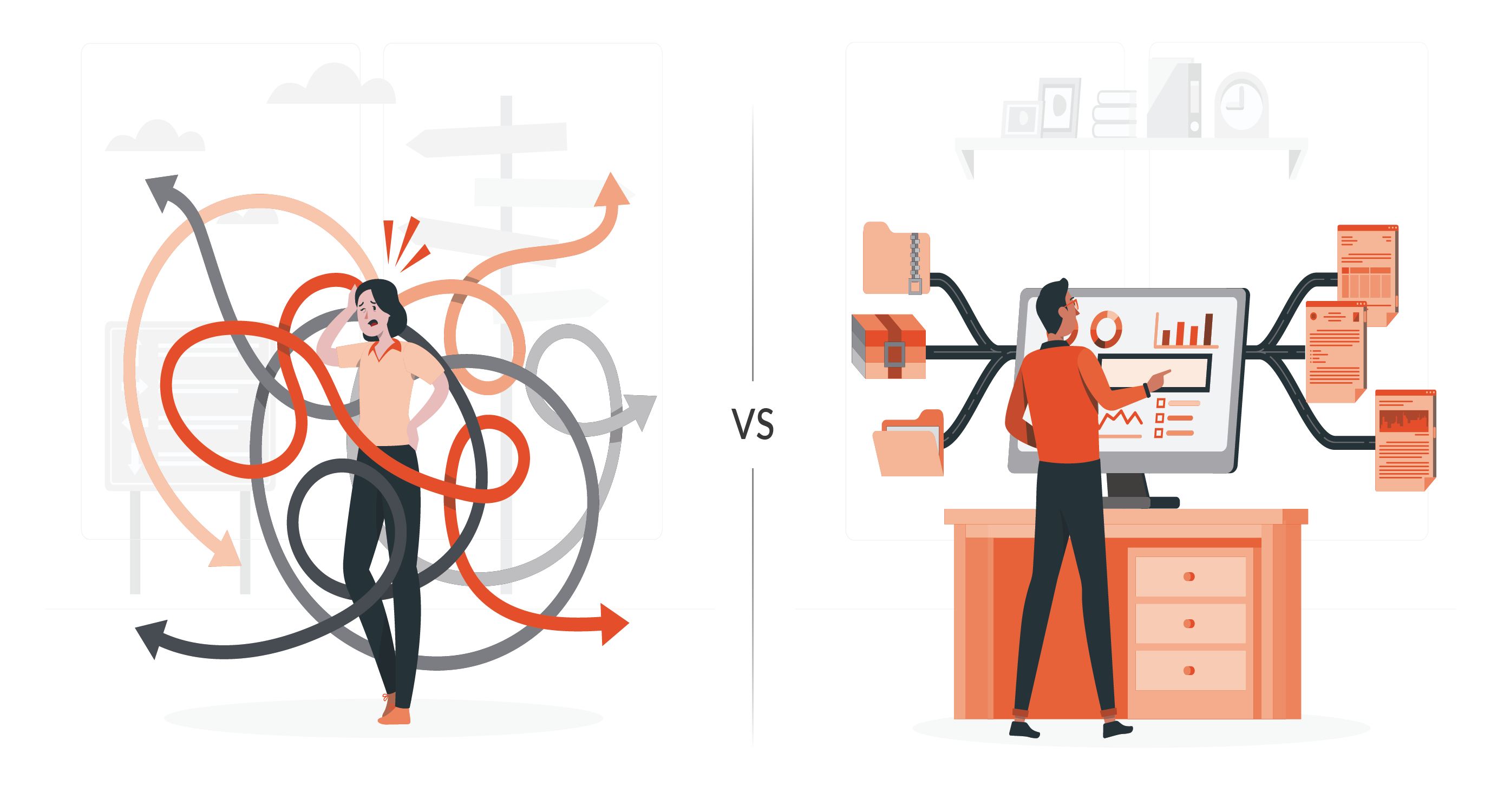
Building projects are complex.
Involving multiple stakeholders, files, and tools, projects can easily become disjointed
leading to delays, misalignment, and cost overruns.
dRofus enables owners and project teams by centralizing building project requirements
to break down silos, enforce standards, and ensure consistent project delivery.

Standardize Delivery Across Projects
Centralize your standards and design guidelines in one platform. dRofus ensures every project aligns with your organization’s requirements, creating consistency from concept through handover.
Gain Full Portfolio Oversight
Access real-time data from every project in your portfolio. dRofus gives owners and executives visibility into cost drivers, design progress, and project health for proactive decision-making.
Unite Teams and Partners
Break down silos between internal departments and external partners. dRofus creates a shared data environment for architects, engineers, and contractors to coordinate seamlessly.
Accelerate Repeatable Project Delivery
Streamline delivery by managing all standards, requirements, and data in one place. dRofus reduces rework, minimizes manual tasks, and optimizes cycles for faster project completion.
Ensure Compliance and Traceability
Maintain a complete audit trail of all project changes. dRofus enables compliance, risk management, and smooth handovers for large-scale, repeatable developments.
Unlock Data-Driven Improvement
Turn every project into a source of insight. dRofus allows owners to analyze project performance, benchmark outcomes, and refine standards over time for continuous improvement.
See dRofus In Action
Building Consistency:
Helse Bergen’s Data-Driven Delivery of
Glasblokkene Trinn 2
Helse Bergen HF, one of Norway’s largest healthcare providers, set out to deliver Glasblokkene Trinn 2, a 50,000 m² hospital building.
Managing such a complex project required consistent data and alignment across dozens of teams—
but information was scattered in silos, making it hard to track requirements, equipment, and design updates.
To achieve consistency from planning through operations, Helse Bergen implemented dRofus as a centralized data platform,
ensuring every stakeholder worked from the same structured, up-to-date information.
Helse Bergen Leveraged dRofus By:
- Centralizing Requirements, Design Standards,
Equipment Planning, and Documentation. -
Standardizing Processes Across Project Phases
-
Enabling Lifecycle Visibility for All Stakeholders
What Our Customers Say
“In terms of our workflow in the project, dRofus facilitated centralization of data in which all the different actors can access at once. We only needed to look at one place for the data at any given time, knowing that the data is always being updated. Working with dRofus has affected our workflow in terms of better collaboration with the client.”
Unlock The Power of dRofus Today
What is centralized data management in construction projects?
Centralized data management is the practice of storing and managing all project information—such as requirements, room data, equipment lists, schedules, and design documentation—in a single platform.Instead of siloed spreadsheets or disconnected tools, owners and project teams access a shared source of truth that keeps every phase of the building lifecycle aligned. This approach improves data accuracy, collaboration, and decision-making across construction programs. .
How does dRofus improve project alignment and visibility?
dRofus improves alignment by standardizing how data is structured and shared across all projects in an owner’s portfolio.Teams work from the same verified data model, ensuring design decisions reflect approved requirements and standards. It also delivers real-time visibility—owners can track scope, space allocations, equipment, and design progress from one dashboard, enabling data-driven oversight and early risk detection.
Can dRofus integrate with existing BIM and project management tools?
Yes. dRofus integrates with leading BIM authoring tools (like Revit and Archicad) as well as project and document management systems.This allows owners to connect high-level planning data with live design models, ensuring bidirectional data flow between planning and production environments. By syncing with existing workflows, dRofus enhances—not replaces—your current tech stack.
How does centralized data reduce risk and rework?
Centralized data reduces risk by eliminating conflicting information and version confusion between teams.Because all stakeholders use a single, continuously updated data set, design errors are caught earlier and scope changes are tracked with full audit trails. This prevents costly rework, supports regulatory compliance, and improves handover quality for long-term asset management.