Skip to content

Ensure Compliance with Codes and Regulations 

Compliance Assured.
Verified at Every Stage.

dRofus helps organizations meet regulatory, safety, and internal compliance requirements by providing structured, auditable data that supports traceability, design standards, and documentation throughout the building lifecycle.

Trusted globally by leading organizations

Mitigate Compliance Risk Across The Building Lifecyle
Ensure Compliance

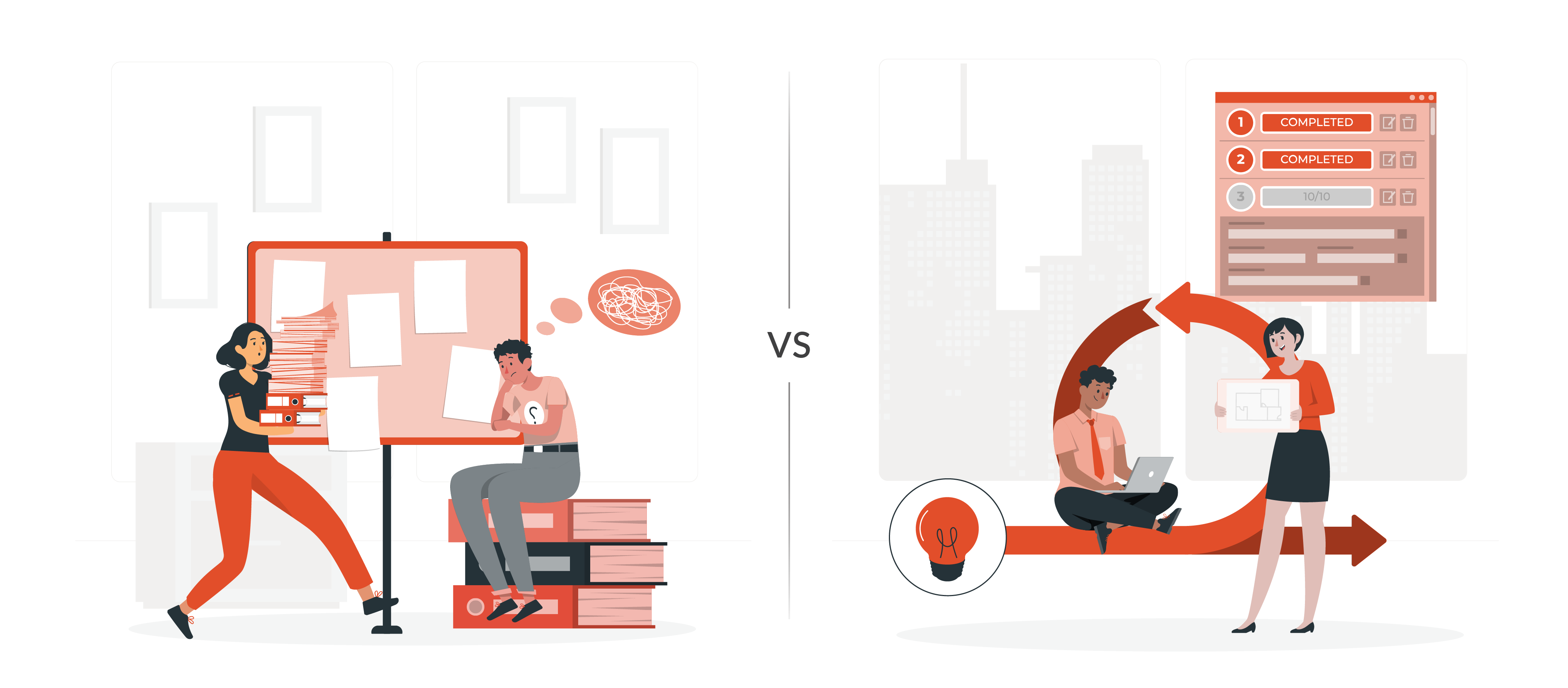
Compliance Requires Control

Regulatory and internal compliance requirements must be managed across disciplines, systems, and project stages—not reviewed after the fact.

When standards live in disconnected documents, risk increases:

Requirements are missed, changes go undocumented, and compliance issues surface too late

dRofus embeds compliance into planning and design, ensuring requirements are defined, traceable, and verifiable from the start—
so teams can deliver with confidence.

6 Ways dRofus Empowers Owners and Project Teams


1
Project Consistency
Deliver Reliable Results
Across Every Project

Ensure approved design requirements are applied consistently from early planning through final delivery, preserving design intent across teams and projects.

2
Requirements Clarity
Establish a Shared
Understanding of Requirements

Utilize a structured view of requirements for all stakeholders to design against the same validated expectations, eliminating any guesswork.


3
Early Risk Detection
Detect Design Gaps
Before They Become Issues

Identify requirement misalignment early, reducing downstream risk, rework, and costly late-stage changes.

4
Design Traceability

Track Change Management
With Confidence

Maintain a clear record of changes and quickly understand when they were made, by whom and why. Support accountability, compliance and project governance.

5
Faster Delivery

Move Designs Forward
Without Rework Delays

Enable continuous design validation that helps teams maintain progress while minimizing risk and the potential for schedule disruption.

6
Continuous Improvement

Improve Standards Using
Real Project Data

Capture validation insights across projects that enable organizations to refine requirements and improve outcomes over time.


Double exposure of businessman working with new modern computer

See dRofus In Action

IMG_5868

ENSURING BUILDING COMPLIANCE

HOW BHS SEVEN PINES REDUCED RISK THROUGH STRUCTURED REQUIREMENTS

Baptist Health System’s Seven Pines Medical Office Buildings I & II required precise management of equipment and design requirements across a complex, multi-building healthcare program. With equipment decisions carrying spatial, utility, and code implications, E4H Architecture used dRofus to centralize requirements, improve traceability, and validate compliance against FGI guidelines and local standards, helping identify gaps early and reduce the risk of costly late-stage changes.

E4H Architecture Leveraged dRofus By:

  • Centralizing equipment and project requirements in a single source of truth, giving the design team access to current, client-approved information across both buildings and reducing the risk of missing or conflicting requirements.

  • Maintaining full version control and change history, providing clear traceability of requirement changes and eliminating ambiguity around what had been agreed, updated, and approved.

  • Validating requirements against FGI guidelines and local standards during design, helping identify equipment and compliance gaps before procurement or construction and reducing the risk of costly post-permit revisions.


What Our Customers Say

Knowing there’s a place to put everything motivated me to actually create standards. Before dRofus, standards were too hard to manage.

BH JAX logo
Matthew BodeAIA, System Director of Planning & Design
dRofus was an excellent QA tool. Having the dRofus database linked to Revit gave us the ability to validate what should be drawn and track changes with the logs.

sth
David CollinsAssociate & Project Architect
dRofus allowed for the accurate tracking and management of areas, stakeholder feedback, changes, FFE management and assurance throughout the design and construction stages of a complex, multi-staged health project. This process streamlined the main bulk of work for the team with asset-tracking and procurement all the way through construction.

conrad-gagett-logo
Michael KlugSenior Associate
Double exposure of businessman working with new modern computer

Unlock The Power of dRofus Today


Frequently Asked Questions


How does dRofus help ensure building compliance?

dRofus provides a structured source of truth for project requirements, standards, room data, and equipment information. Teams can validate designs against defined requirements throughout the project, helping identify compliance gaps before they become costly issues.

Can dRofus help manage regulatory and client requirements?

Yes. Regulatory requirements, client standards, design criteria, and project-specific requirements can be structured and managed centrally in dRofus. This makes it easier for project teams to work from consistent, approved information.

How does dRofus reduce compliance risk during design?

dRofus enables teams to compare design information with defined requirements and identify discrepancies early. By detecting missing information, deviations, and changes during design, teams can address issues before construction, approval, or handover.

Does dRofus provide an audit trail of project changes?

Yes. dRofus maintains a traceable history of changes to project information, helping teams understand what changed, when it changed, and why. This supports accountability, quality assurance, and compliance documentation.

Can dRofus help standardize compliance across multiple projects?

Yes. Organizations can create and reuse approved standards, templates, requirements, and room data across projects. This helps improve consistency while still allowing individual projects to manage project-specific requirements and exceptions.