Make Capital Decisions with Confidence Across Your Healthcare Portfolio
Healthcare capital decisions carry system-wide implications — yet the planning data behind them is often fragmented and unreliable.
dRofus centralizes and governs planning requirements so you can allocate capital with confidence.
Standardize Scope Before Capital Is Committed
Capital systems track budgets — but they don’t validate the room requirements, equipment standards, and clinical scope
driving those budgets.
dRofus centralizes and governs:
• Room and space standards across facilities
• Equipment requirements and specifications
• Facility regulatory codes and guidelines
This creates a single, validated source of truth before capital is allocated. Now, every capital request begins with structured, defensible planning data.


Gain Portfolio-Level
Visibility Across Facilities
Managing a diverse network of hospitals and outpatient care facilities requires more than project-level coordination.
With dRofus, healthcare organization leadership can:
• View planning scope across sites in real time
• Maintain standards consistency across programs
• Identify variances before they scale
• Interpret data by campus, project type or budget year.
Enjoy enterprise-level oversight of information that strengthens capital governance
across your entire healthcare network.
Ensure Capital Investment Results in Successful Execution
Capital risk doesn’t end once funding is approved.
Without continuity between planning requirements and project delivery, organizations face scope creep, change orders, and compliance exposure.
dRofus connects structured planning requirements to
execution workflows to:
• Preserve standards integrity from approval through delivery
• Reduce costly scope changes and redesign
• Maintain traceable compliance documentation
• Align capital intent with project outcomes
When governance extends from planning through execution, capital investments remain controlled, compliant, and aligned with system-wide strategy.
.gif?width=1920&height=1081&name=Healthcare%20Capital%20Planning%20Happy%20(1).gif)
How Baptist Health cut project planning by 30%
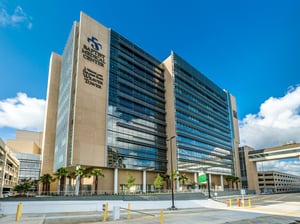
Baptist Health, a prominent healthcare provider in Jacksonville, Florida, was managing over 7.5 million square feet of space across 80+ buildings. The organization faced challenges in centralizing data, automating compliance with changing regulations, and improving collaboration between their planning, design, and construction teams.
Baptist Health Leveraged dRofus By:
- Centralizing Data for Existing Facilities
- Standardizing Design and Equipment Planning
- Enabling Faster Feasibility and Budgeting
Download Case Study
“dRofus allows us to do quick project planning. I can develop a program and get a snapshot in 20 minutes of what a project will cost. What used to take days now takes minutes.”


What is Healthcare Facility Planning Software?
Healthcare facility planning software helps hospitals and health systems define space, room, and equipment requirements before design and construction begin. Unlike facilities management or CMMS platforms, which focus on maintenance after occupancy, healthcare facility planning software supports early decision-making, regulatory alignment, and clinical requirements during planning and design.
What is dRofus and how is it used in healthcare facility planning?
dRofus is a data-centric planning and requirements-management platform that helps healthcare organizations define, track, and manage space requirements, medical equipment, and design standards throughout the lifecycle of a facility project.
How does dRofus support capital planning and budgeting?
dRofus lets you develop early project programs, estimate costs based on room and equipment standards, and generate real-time reports to support informed capital-investment decisions.
Can dRofus help us align our projects with FGI guidelines or other regulatory standards?
Yes. dRofus supports healthcare-design compliance by allowing you to build and apply room templates based on FGI or other standards, ensuring consistency and simplifying audits and approvals.
Does dRofus integrate with BIM tools like Revit or Archicad?
Absolutely. dRofus offers bi-directional integration with both Autodesk Revit and Graphisoft Archicad, enabling seamless collaboration between owners, designers, and contractors.
How does dRofus help with equipment planning and procurement?
You can track medical equipment across departments and projects, standardize equipment lists, and generate procurement-ready data—including quantities, specifications, and locations.
Can I use dRofus across multiple facilities or projects in our healthcare system?
Yes. dRofus supports portfolio-wide planning, allowing you to manage and compare data across hospitals, clinics, and outpatient centers—all from a centralized platform.
What types of reports can dRofus generate for internal or regulatory use?
dRofus can produce customizable reports including Room Data Sheets, Equipment Schedules, Space Program Summaries, and compliance checklists—ideal for both internal reviews and external regulators.
Is dRofus suitable for renovations as well as new construction?
Yes. dRofus is highly effective for both new builds and renovation projects, offering tools to assess current space use, define updated requirements, and ensure consistent project documentation.
Who typically uses dRofus in a healthcare organization?
dRofus is used by capital-planning teams, facilities managers, equipment planners, design consultants, and IT/BIM teams—ensuring all stakeholders are aligned on the same data.
How long does it take to implement dRofus in a healthcare setting?
Implementation timelines vary by project size and complexity, but many healthcare systems start seeing value within 4-6 weeks. dRofus provides onboarding, training, and support to ensure success.
How can I get started using dRofus?
You can request a personalized demo. Our team will import your standards, configure user roles, and guide you through onboarding so you can begin realizing value within weeks.